Safety, Features, and Best Choices for 2025
The Ultimate Guide to Kids' Headphones: Safety, Features, and Best Choices for 2025
Protecting Your Child's Hearing While Enhancing Their Digital Learning Experience

Introduction: Why Kids Need Special Headphones
In today's digital age, children are increasingly exposed to audio content through tablets, smartphones, computers, and gaming devices. Whether they're attending virtual classes, enjoying educational videos, or listening to their favorite music, headphones have become an essential tool for young learners. However, not all headphones are created equal, especially when it comes to protecting the delicate hearing of growing children.
The World Health Organization estimates that over 1 billion young people worldwide are at risk of hearing loss due to unsafe listening practices. This alarming statistic underscores the critical importance of choosing appropriate audio equipment for children. Kids' headphones are specifically designed with safety features, comfort considerations, and durability standards that regular adult headphones simply cannot provide.

The Growing Need for Child-Safe Audio Solutions
As remote learning becomes more prevalent and screen time increases, parents face the challenge of protecting their children's hearing while ensuring they can fully participate in digital activities. Traditional headphones designed for adults can produce sound levels that exceed safe listening thresholds for children, potentially causing immediate discomfort or long-term hearing damage.
Children's ear canals are smaller and more sensitive than adults', making them more susceptible to hearing damage at lower decibel levels. Additionally, kids often lack the awareness to recognize when volume levels are too high, making parental guidance and built-in safety features essential components of any child-focused audio solution.
Critical Safety Features: Volume Limiting and Hearing Protection

Understanding the 85 Decibel Safety Standard
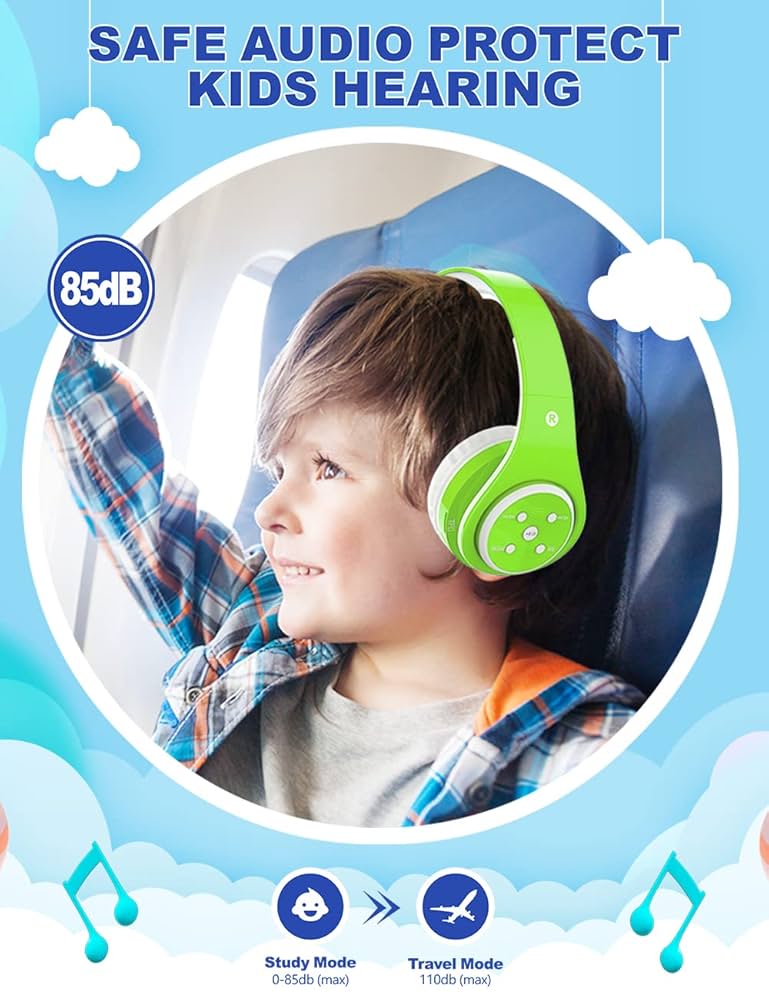
The most crucial feature in any kids' headphone is volume limiting technology. Medical professionals and audiologists worldwide recommend that children's headphones should not exceed 85 decibels (dB) of sound output. To put this in perspective, normal conversation occurs at about 60 dB, while prolonged exposure to sounds above 85 dB can cause permanent hearing damage.
Premium kids' headphones incorporate sophisticated volume limiting circuitry that automatically caps the maximum output at safe levels, regardless of the source device's volume setting. This means that even if a child accidentally turns the device volume to maximum, the headphones will never produce dangerously loud sounds.
Important Safety Note
The American Academy of Pediatrics recommends following the 60/60 rule: Listen at no more than 60% of maximum volume for no more than 60 minutes at a time, followed by a listening break.
Advanced Hearing Protection Technologies
Modern kids' headphones employ various technologies to protect young ears:
- Hardware Volume Limiting: Physical circuitry prevents volume from exceeding safe levels
- Passive Noise Isolation: Well-designed ear cups block external noise, reducing the need to increase volume
- Active Noise Cancellation (ANC): Electronic noise reduction technology for premium models
- Comfortable Padding: Proper seal and comfort encourage correct usage
- Break Reminders: Some smart models include timers that remind children to take listening breaks
Types of Kids' Headphones: Finding the Perfect Fit
Wired vs. Wireless: Pros and Cons
The choice between wired and wireless kids' headphones involves several important considerations:
Wired Headphones
Wireless Headphones
Over-Ear vs. On-Ear Designs
The physical design of kids' headphones significantly impacts comfort, safety, and audio quality:
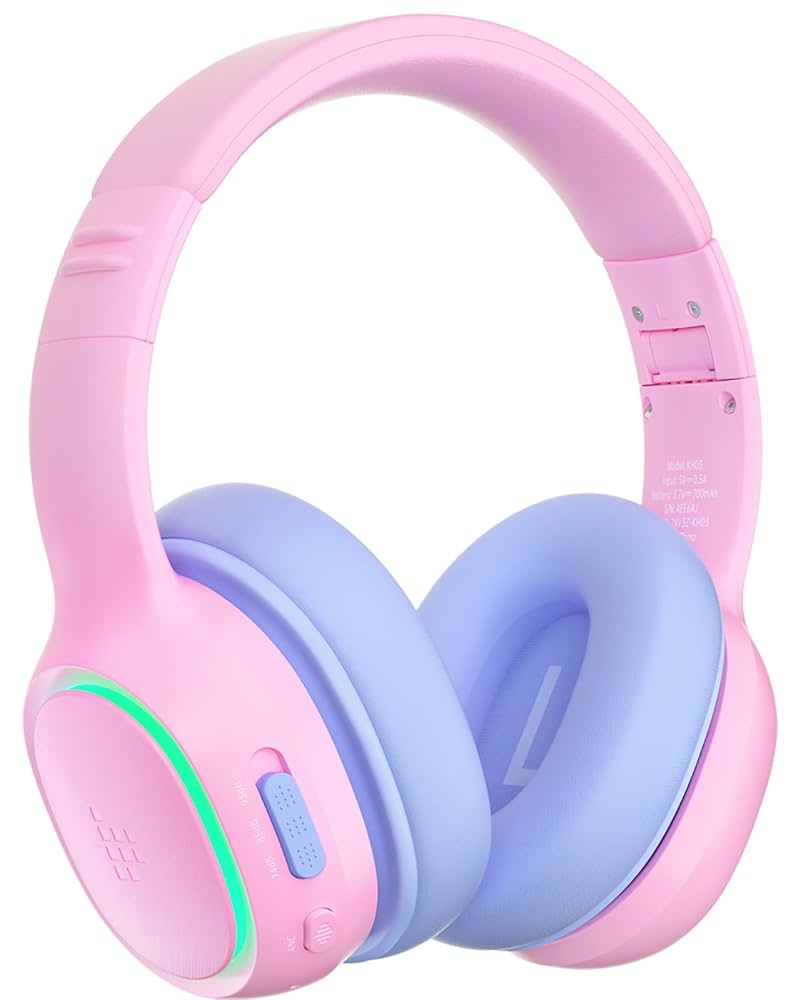
Over-Ear Headphones: These models completely encompass the child's ears, providing excellent noise isolation and comfort for extended use. The larger ear cups distribute pressure evenly around the ear rather than on it, making them ideal for longer listening sessions like virtual classes or extended travel.
On-Ear Headphones: More compact and lightweight, these rest directly on the ears. While less bulky and easier to transport, they may become uncomfortable during extended use and provide less noise isolation than over-ear designs.
Age-Appropriate Sizing and Adjustability
Proper fit is essential for both safety and comfort. Kids' headphones should feature:
- Adjustable headband that grows with the child
- Soft, breathable ear cushions
- Lightweight construction to prevent neck strain
- Flexible hinges that accommodate different head shapes
- Size markings for consistent adjustment
Many premium models offer multiple size settings or even interchangeable components to accommodate children from toddler age through teenagers, making them a more cost-effective long-term investment.
Essential Features Every Parent Should Look For
Durability and Build Quality
Children can be rough on their belongings, making durability a crucial consideration. Look for headphones that feature:
- Reinforced hinges and joints: The most common failure points in headphones
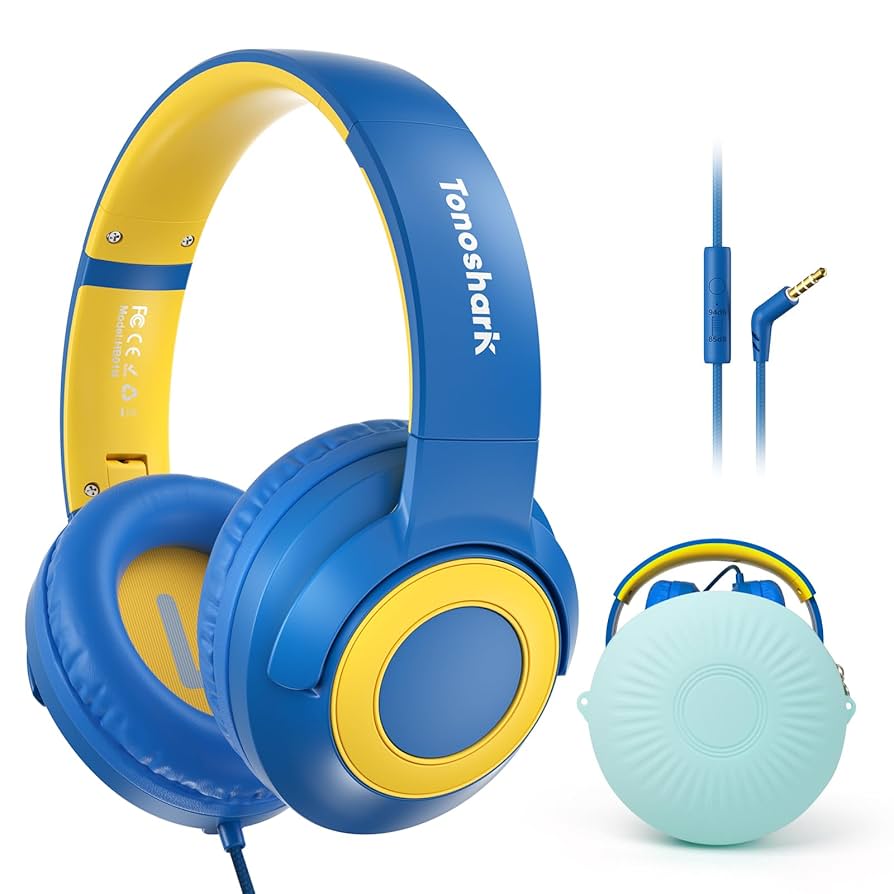
- Tangle-free cables: Flat or coiled designs that resist knotting
- Drop-resistant construction: Ability to withstand typical childhood accidents
- Replaceable parts: Ear cushions and cables that can be replaced if damaged
- Flexible materials: Components that bend without breaking
Audio Quality and Educational Benefits
While safety is paramount, audio quality remains important for educational effectiveness. Quality kids' headphones should provide:
Key Audio Quality Features:
- Clear vocal reproduction for educational content
- Balanced frequency response suitable for children's content
- Minimal audio distortion at safe volume levels
- Consistent performance across different devices

Microphone and Communication Features
With remote learning and online communication becoming standard, built-in microphones are increasingly important:
Boom Microphones: Adjustable microphones that position close to the mouth for clear speech pickup during video calls and online classes.
Inline Microphones: Built into the cable, these are more discreet but may require the child to speak more loudly for clear communication.
Mute Controls: Easy-access buttons that allow children to quickly mute themselves during calls, an essential feature for classroom participation.

Top Brands and Models: 2025 Recommendations
Premium Safety-First Options
Several brands have established themselves as leaders in the kids' headphone market by prioritizing safety without compromising on quality:
iClever Brand Series
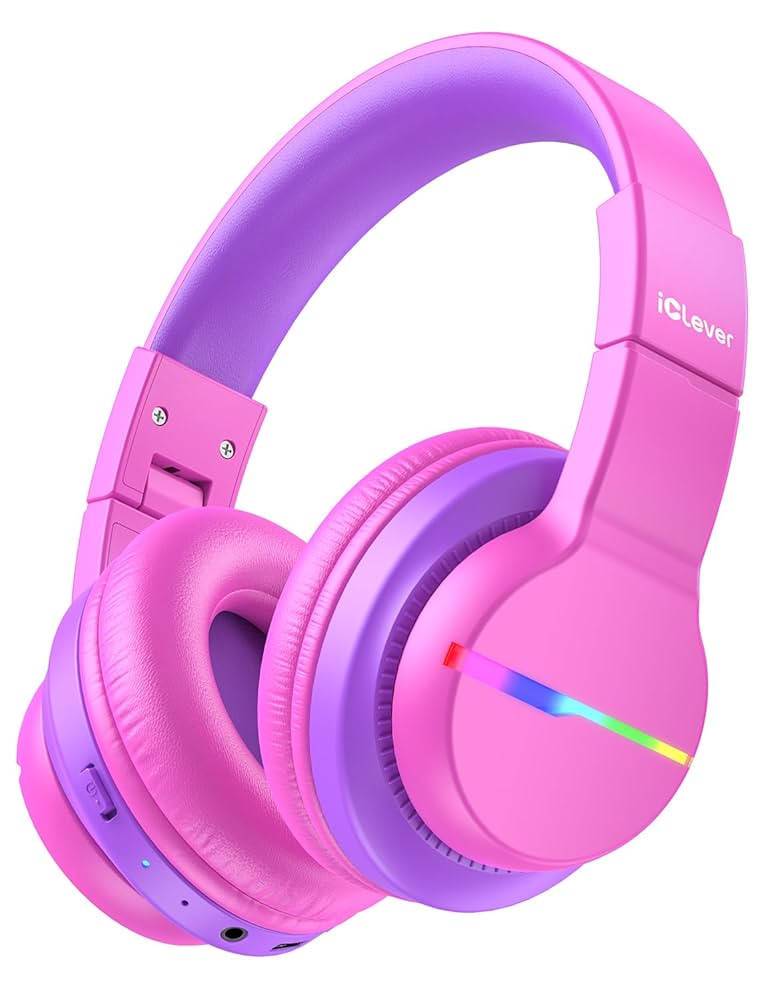
Known for reliable volume limiting and comfortable designs. Their HTH20 and BTH02 models consistently receive top ratings from safety organizations.
Long battery life
Built-in microphone
SIMOLIO Safety Series
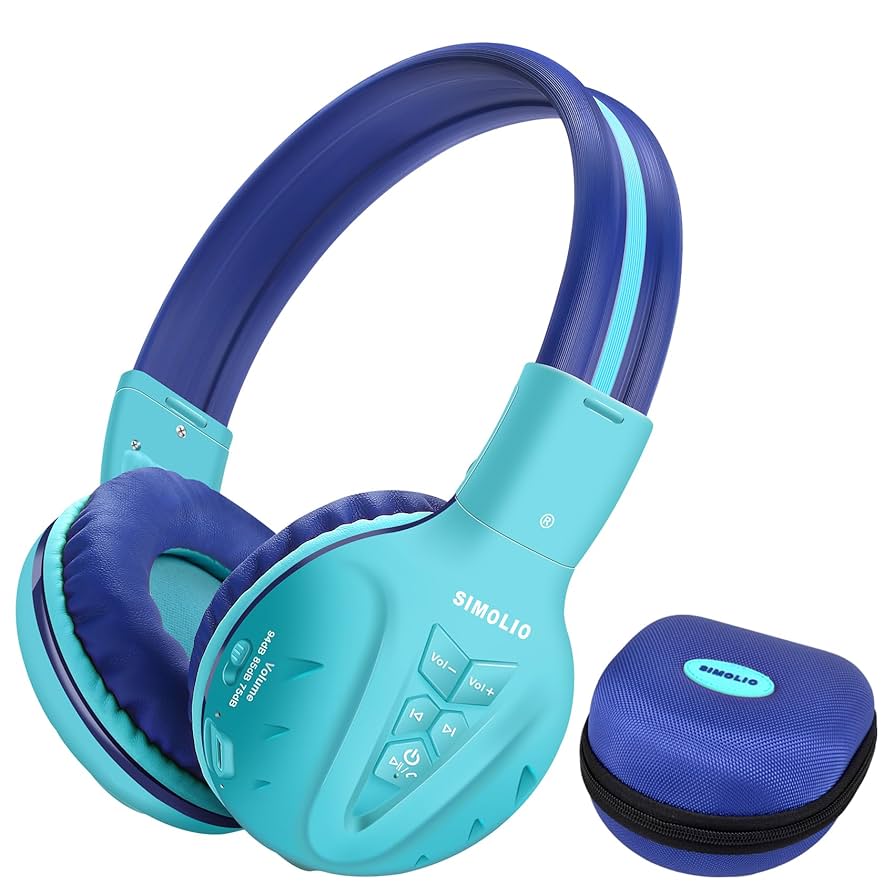
Offers both 75dB and 85dB options, allowing parents to choose based on their child's age and sensitivity.
Audio sharing capability
Universal compatibility

Budget-Friendly Safe Options
Quality kids' headphones don't have to break the bank. Several manufacturers offer excellent safety features at affordable price points:
Budget models typically focus on essential safety features like volume limiting and durable construction while omitting premium features like active noise cancellation or wireless connectivity. These options are perfect for families needing multiple sets or those unsure about their child's usage patterns.
What to Expect in Budget Models:
- Price range: $15-40
- Basic volume limiting (usually 85dB)
- Wired connectivity
- Simple, durable construction
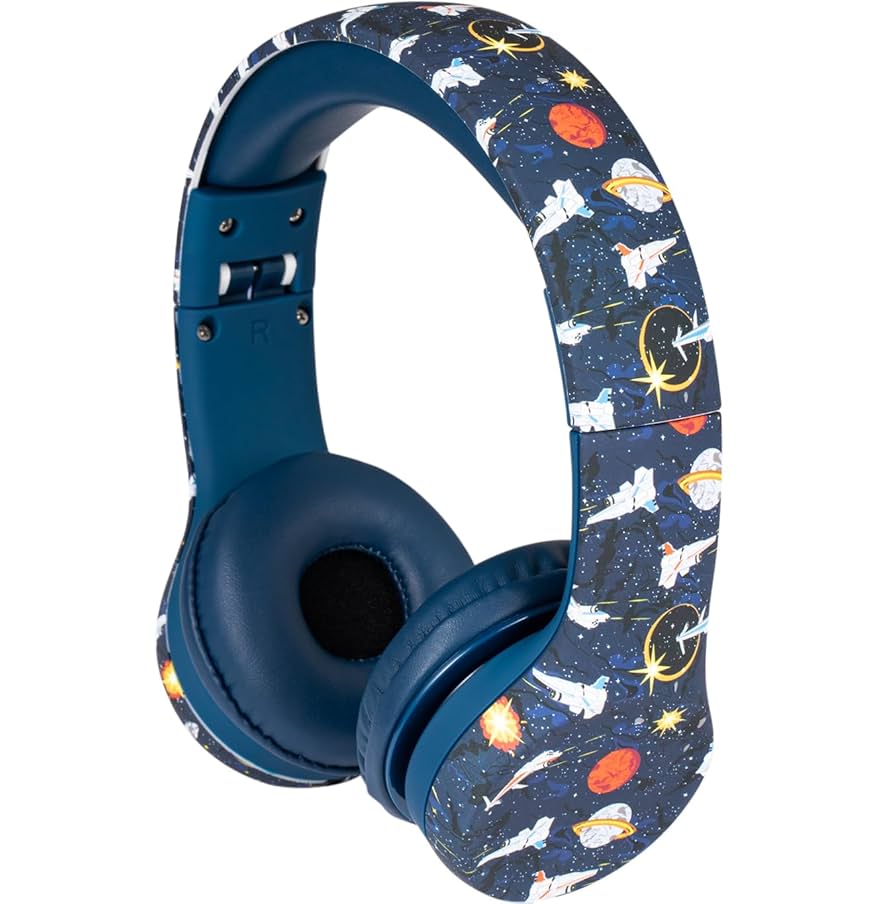
- Fun, child-friendly colors
Premium Feature-Rich Models
For families prioritizing advanced features and maximum safety, premium kids' headphones offer sophisticated technologies:
- Active Noise Cancellation: Reduces need for volume increases in noisy environments
- App-Based Parental Controls: Remote volume monitoring and time limits
- Multi-Device Connectivity: Connect to multiple devices simultaneously
- Premium Materials: Memory foam padding and aerospace-grade plastics
- Extended Warranties: Manufacturer confidence in build quality
Complete Buying Guide: Making the Right Choice
Age-Specific Recommendations
Different age groups have varying needs when it comes to headphones:
Ages 3-6 (Toddlers & Preschoolers)
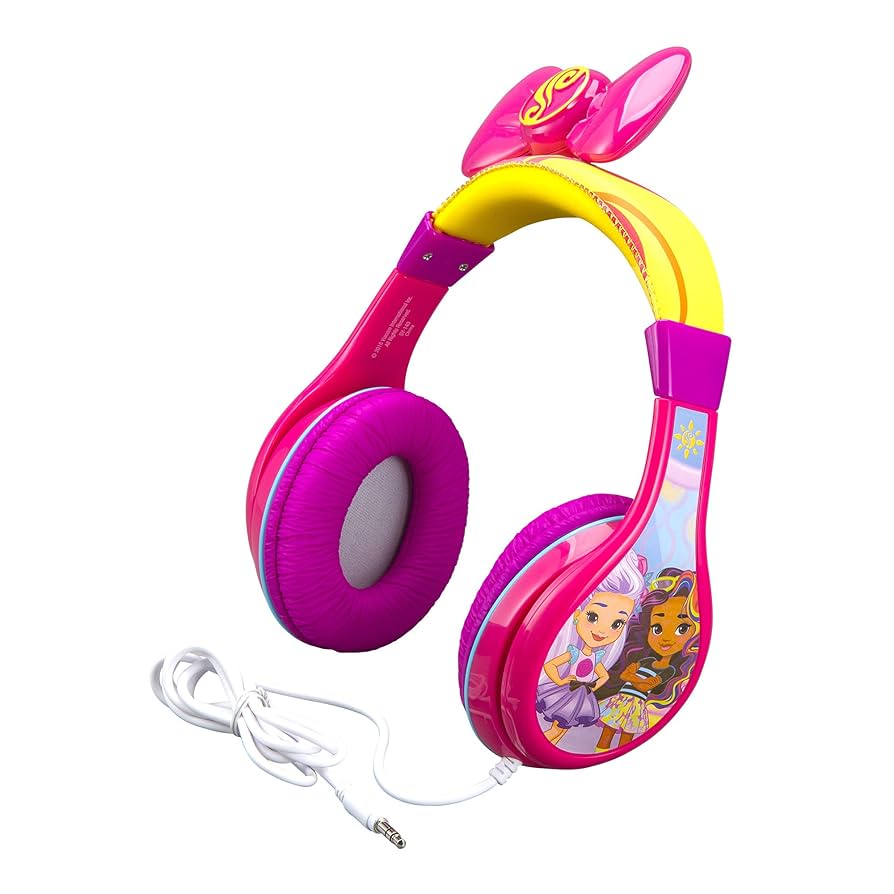
Focus on maximum safety and simplicity. Look for 75dB volume limits, very soft padding, and virtually unbreakable construction.
- • Wired connections to avoid choking hazards
- • Large, cushioned ear cups
- • Bright, engaging colors
- • No small removable parts
Ages 7-11 (Elementary School)
Educational focus with 85dB limits and microphone capabilities for online learning.
- • Built-in microphone for video calls
- • Adjustable sizing for growth
- • Wireless options become appropriate
- • Audio sharing capabilities for group activities
Ages 12+ (Tweens & Teens)
Style becomes important while maintaining safety features.
- • More mature, sleek designs
- • Advanced features like ANC
- • Gaming compatibility
- • Longer battery life for extended use
Device Compatibility Considerations
Ensure your chosen headphones work with all your family's devices:
Apple Devices
Check for Lightning connector compatibility or reliable Bluetooth pairing with iPads and iPhones.
Android Tablets
USB-C and traditional 3.5mm jack options provide maximum compatibility.
Computers
Ensure microphone compatibility for video conferencing and online learning platforms.
Budget Planning and Value Assessment
Consider the total cost of ownership when making your decision:
Initial Investment vs. Longevity: A slightly more expensive model with better build quality often proves more economical over time than repeatedly replacing cheaper alternatives.
Feature Necessity: Identify which features your child actually needs versus nice-to-have options that increase cost without adding value to your specific situation.
Growth Accommodation: Headphones that can adjust and adapt as your child grows provide better long-term value than models that will quickly become too small.
Educational Benefits and Learning Enhancement
Supporting Digital Learning Environments
Quality kids' headphones play a crucial role in modern educational settings:
Focused Learning: By blocking distracting background noise, good headphones help children concentrate on educational content, whether they're watching instructional videos, participating in virtual classes, or using learning apps.
Audio Clarity for Language Development: Clear audio reproduction is essential for language learning, pronunciation practice, and comprehension activities. Poor audio quality can hinder a child's ability to distinguish between similar sounds or understand spoken instructions.
Independent Learning: Headphones enable children to engage with educational content without disturbing others, promoting independent study habits and self-directed learning.

Enhancing Creative Expression
Beyond academic learning, quality headphones support children's creative development:
- Music Education: Accurate sound reproduction helps children appreciate musical nuances and develop their musical ear
- Audio Production: For older children interested in podcasting, music creation, or video production
- Story Listening: Immersive audio experiences that bring stories and educational content to life
- Language Practice: Safe, private environment for pronunciation practice and speaking exercises
The isolation provided by quality headphones creates a personal audio environment where children can fully engage with content without self-consciousness or external distractions.
Supporting Special Needs and Sensitivities
Children with sensory sensitivities, attention challenges, or hearing differences may benefit significantly from appropriate headphone selection:
Sensory Processing: Some children are more sensitive to certain frequencies or volume levels. Adjustable volume controls and EQ settings can accommodate these individual needs.
Attention Support: For children with ADHD or attention challenges, noise-isolating headphones can reduce environmental distractions and improve focus on educational tasks.
Autism Spectrum Support: Many children on the autism spectrum find comfort in controlled audio environments, and headphones can provide a calming, predictable sensory experience.

Maintenance, Care, and Longevity Tips
Proper Cleaning and Hygiene
Regular maintenance ensures both hygiene and longevity:
Weekly Cleaning Routine:
- Wipe ear cushions with alcohol-free antibacterial wipes
- Clean headband and external surfaces with soft, damp cloth
- Allow complete air drying before storage
- Inspect for wear or damage
Storage and Transport
Proper storage significantly extends headphone lifespan:
Daily Storage: When not in use, headphones should be stored in a clean, dry location away from direct sunlight and extreme temperatures. Many models include storage bags or cases for protection.
Travel Considerations: For portable use, invest in a proper carrying case that protects against drops and compression. Teach children to fold headphones correctly to prevent hinge damage.
Cable Management: For wired models, use proper cable winding techniques to prevent internal wire breakage. Avoid tight coiling or kinking at connection points.

Teaching Children Responsible Use
Education about proper headphone use is as important as choosing the right model:
- Volume Awareness: Teach children to recognize when volume is too high
- Time Limits: Implement regular listening breaks following the 60/60 rule
- Sharing Hygiene: If headphones are shared, ensure proper cleaning between users
- Gentle Handling: Show children how to adjust and remove headphones carefully
- Battery Care: For wireless models, teach proper charging habits
Troubleshooting Common Issues
Most headphone problems have simple solutions:
Audio Problems
- • Check all connections
- • Test with different devices
- • Clean connection points
- • Verify device compatibility
Power Issues
- • Check charging cable and port
- • Allow full charge cycle
- • Reset Bluetooth connection
- • Contact manufacturer if persistent
Future Trends and Innovations in Kids' Audio Technology
Smart Features and Parental Controls
The future of kids' headphones involves increasing integration with smart technology and enhanced parental oversight:
App-Based Monitoring: Advanced models now offer smartphone apps that allow parents to monitor listening time, volume levels, and even location when children are using wireless headphones away from home.
Automatic Volume Adjustment: Emerging technology can automatically adjust volume based on ambient noise levels, ensuring children don't turn up volume excessively in noisy environments.
Health Integration: Some manufacturers are exploring integration with health monitoring systems to track hearing health over time and provide insights into safe listening habits.
Sustainable and Eco-Friendly Designs
Environmental consciousness is driving innovation in materials and manufacturing:
- Recycled Materials: Increasing use of recycled plastics and sustainable materials
- Modular Design: Headphones designed for easy repair and component replacement
- Biodegradable Packaging: Reduction in plastic packaging and move toward biodegradable alternatives
- Take-Back Programs: Manufacturer programs for recycling old headphones

Enhanced Safety Technologies
Safety features continue to evolve with new technologies:
Biometric Monitoring: Future models may include sensors that monitor stress levels or fatigue, automatically suggesting breaks when needed.
AI-Powered Safety: Artificial intelligence that learns individual hearing patterns and adjusts output to provide optimal protection while maintaining audio quality.
Emergency Features: Integration with emergency services or parental alerts in case of extended non-responsiveness while wearing headphones.
Conclusion: Making the Right Choice for Your Child's Safety and Success
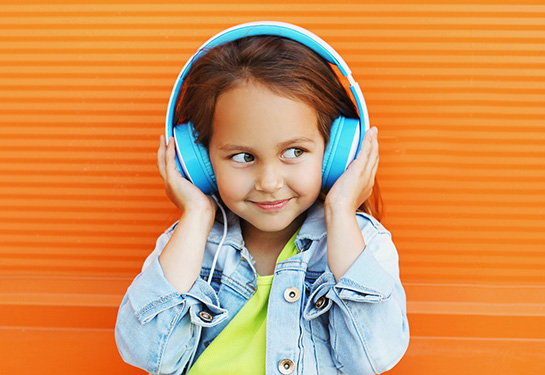
Selecting the right headphones for your child is an investment in their safety, education, and enjoyment of audio content. The key is balancing safety features, comfort, durability, and age-appropriate functionality while staying within your budget constraints.
Remember that the most expensive option isn't always the best choice for your specific situation. A well-designed, safety-focused model that fits your child's needs and usage patterns will provide better value than a feature-rich option they don't fully utilize.
Key Takeaways for Parents:
- Prioritize volume limiting (85dB maximum) above all other features
- Choose age-appropriate sizing and adjustability
- Consider durability and build quality for long-term value
- Think about educational and developmental benefits
- Involve your child in the selection process for better acceptance
The investment in quality kids' headphones pays dividends in protecting your child's hearing health, enhancing their learning experience, and providing peace of mind for parents. As technology continues to evolve, the options will only improve, but the fundamental principles of safety, comfort, and educational value will remain constant.
Take the time to research, read reviews, and if possible, let your child try different options to find the perfect fit. Your child's hearing is irreplaceable, and choosing the right protective equipment is one of the most important decisions you can make for their long-term health and educational success.
Ready to Enhance Your Child's Learning Experience?
Discover magical bedtime stories and educational content that pairs perfectly with safe kids' headphones. Create lasting memories while protecting your child's hearing.
Explore Magical Bedtime StoriesPerfect audio content designed for safe listening through quality kids' headphones
Related Articles You Might Enjoy
Best Educational Tablets for Kids 2025
Discover the perfect educational tablets that pair seamlessly with kids' headphones for optimal learning experiences.
Protecting Children's Hearing in Digital Age
Essential tips and guidelines for maintaining healthy hearing habits as screen time and audio content consumption increase.
Safe Gaming Audio for Young Players
How to choose gaming headphones that protect hearing while enhancing the gaming experience for children and teens.
Music Education and Safe Listening Practices
Building musical appreciation and skills while establishing lifelong healthy listening habits from an early age.


