Social Media Algorithms Decoded: Why Your Content Isn't Reaching Anyone
Social Media Algorithms Decoded: Why Your Content Isn't Reaching Anyone
Table of Contents
You've spent hours crafting the perfect post. You hit publish, wait eagerly for engagement, and then... crickets. Your reach is abysmal, your followers aren't seeing your content, and you're left wondering what went wrong. Sound familiar? You're not alone. In 2025, social media algorithms have become more sophisticated and selective than ever, making it increasingly difficult for content creators and businesses to reach their audiences organically.
The frustrating reality is that even if someone follows your page, there's no guarantee they'll see your posts. On LinkedIn, organic company posts reach just 2% of user feeds. Instagram and Facebook aren't much better. Understanding why this happens—and what you can do about it—is crucial for anyone serious about social media success.
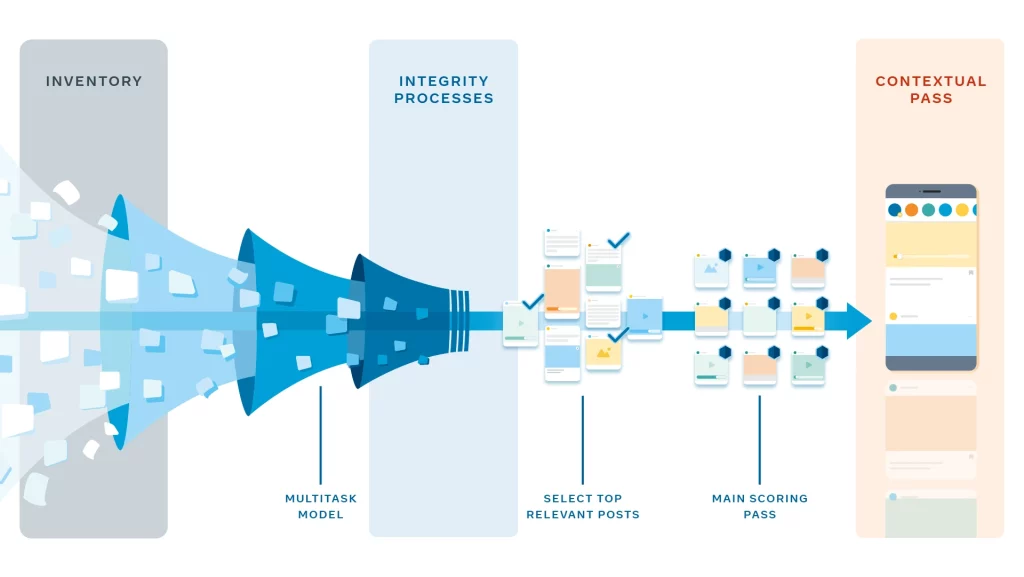
1. What Are Social Media Algorithms?
Social media algorithms are complex rule sets powered by machine learning that determine what content appears in users' feeds. Think of them as digital gatekeepers—they decide whose content gets seen, by whom, and when.
In 2025, these algorithms use deep learning models trained on massive datasets tracking every interaction: likes, comments, shares, watch time, even how long you pause on a post. They're constantly evolving through A/B testing and feedback loops, making them essentially black boxes that few people outside the tech companies truly understand.
The goal? Maximize user engagement and keep people scrolling. Platforms prioritize content based on several key factors:
- Engagement quality - Comments and shares matter more than simple likes
- Relevance - Content personalized to individual user interests and past behavior
- Relationship strength - Posts from closer connections rank higher
- Freshness - Recent content typically gets priority
- Content quality - Platforms actively detect and downrank clickbait, spam, and misleading posts
2. Why Your Reach Has Declined
If your reach has tanked over recent months, it's probably not your fault. Multiple factors contribute to declining organic reach across all platforms:
AI-generated content saturation. Tools like ChatGPT have flooded social feeds with generic, AI-created posts. While these tools make posting easier, they've also made it exponentially harder to stand out. Algorithms are getting better at detecting and deprioritizing generic content that lacks a unique voice or perspective.

Platform priorities shift constantly. Social networks change their algorithms frequently to optimize for their business goals—whether that's selling ads, promoting specific content types (like Reels), or encouraging users to spend more time on the platform. A strategy that worked last quarter may be obsolete today.
Audience burnout. Users are overwhelmed by the sheer volume of content. The average person sees thousands of posts daily. To combat fatigue, algorithms have become more selective, showing users only what they're statistically most likely to engage with based on past behavior.
The pay-to-play model. Platforms want you to spend money on ads. Reducing organic reach creates urgency to boost posts or run paid campaigns. While frustrating, this is the reality of modern social media marketing.
3. Platform-by-Platform Algorithm Breakdown
Instagram now uses multiple algorithms—one each for Feed, Explore, Reels, and Stories. The platform prioritizes Reels over static posts, favoring original audio and content that keeps viewers engaged within the first three seconds. Save and share signals matter significantly more than likes. Meta's AI now predicts user intent, showing content similar to what you've engaged with plus content the algorithm thinks you should see next.
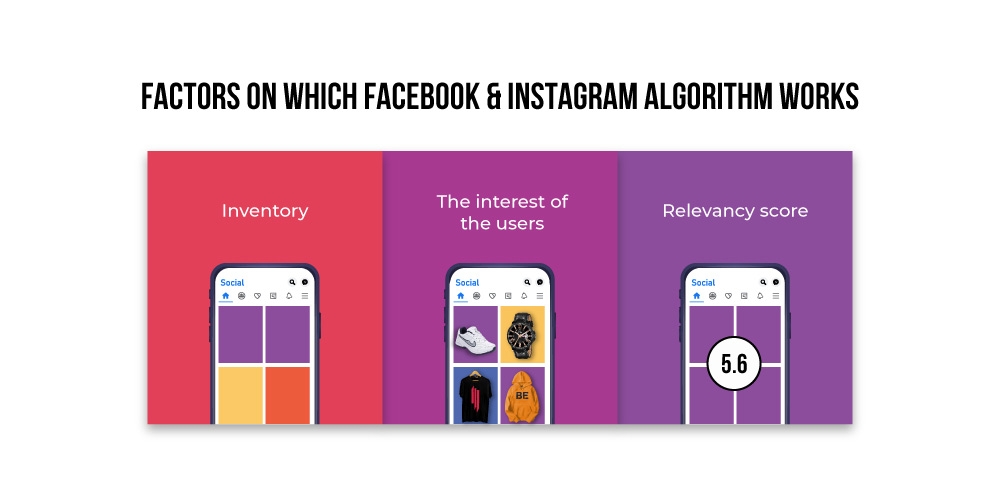
Facebook applies a four-step process: inventory (all possible posts), signals (who posted, content type, timing), predictions (likelihood of engagement), and scoring (relevancy ranking). The platform heavily weights trust signals—comments and shares from close connections perform best. Group-centric content and native video formats receive preferential treatment, while external links are penalized.
TikTok
TikTok's algorithm is built for discovery, not follower count. The For You Page (FYP) shows content based on behavioral signals regardless of account size, meaning anyone can go viral. Completion rate and rewatch count are heavily weighted. The first three seconds of watch time are absolutely critical. TikTok analyzes caption keywords, hashtags, trending sounds, and even on-screen text to categorize and distribute content.
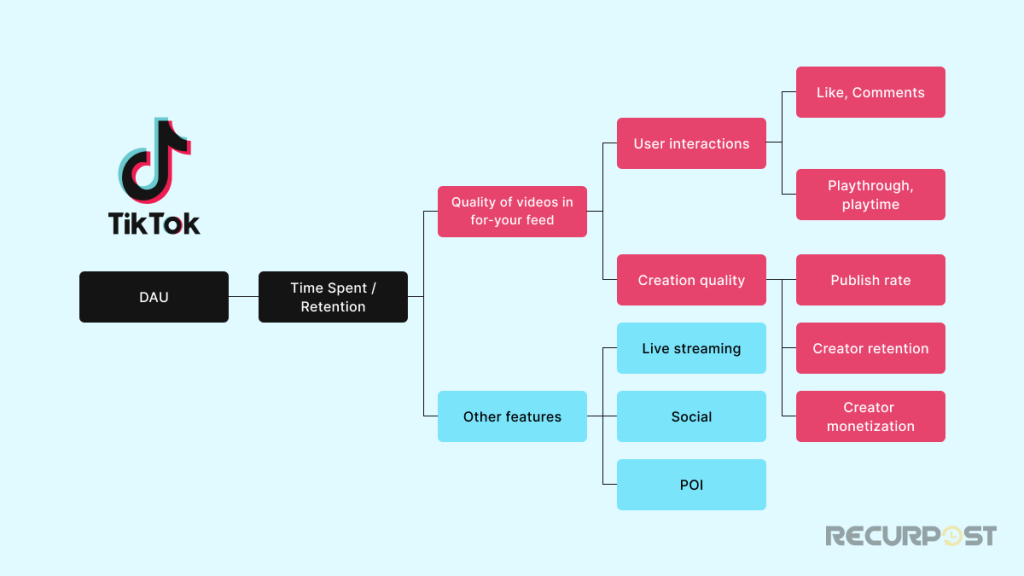
LinkedIn prioritizes professional expertise and thoughtful discourse. Personal stories outperform corporate fluff. The platform rewards niche consistency—posting regularly within a specific domain signals topical authority. Comments and meaningful discussions drive reach more than likes. LinkedIn's 2025 algorithm now shows older posts (sometimes weeks old) if they match user interests and connection patterns.
4. Proven Strategies to Boost Visibility
Understanding algorithms is only half the battle. Here's how to work with them, not against them:
Create platform-specific content. Stop cross-posting identical content everywhere. Each platform rewards different formats and behaviors. Instagram wants Reels, LinkedIn prefers text posts with personal narratives, TikTok demands fast-paced video hooks. Tailor your content accordingly.
Hook viewers immediately. You have three seconds or less to capture attention. Lead with your strongest point, use pattern interrupts, ask provocative questions, or tease a payoff at the end. Completion rates matter more than almost any other metric.
Encourage meaningful engagement. Ask questions that spark genuine discussion. Respond to every comment promptly to signal active engagement. Create content people want to save, share, or send to friends—these actions carry more algorithmic weight than passive likes.
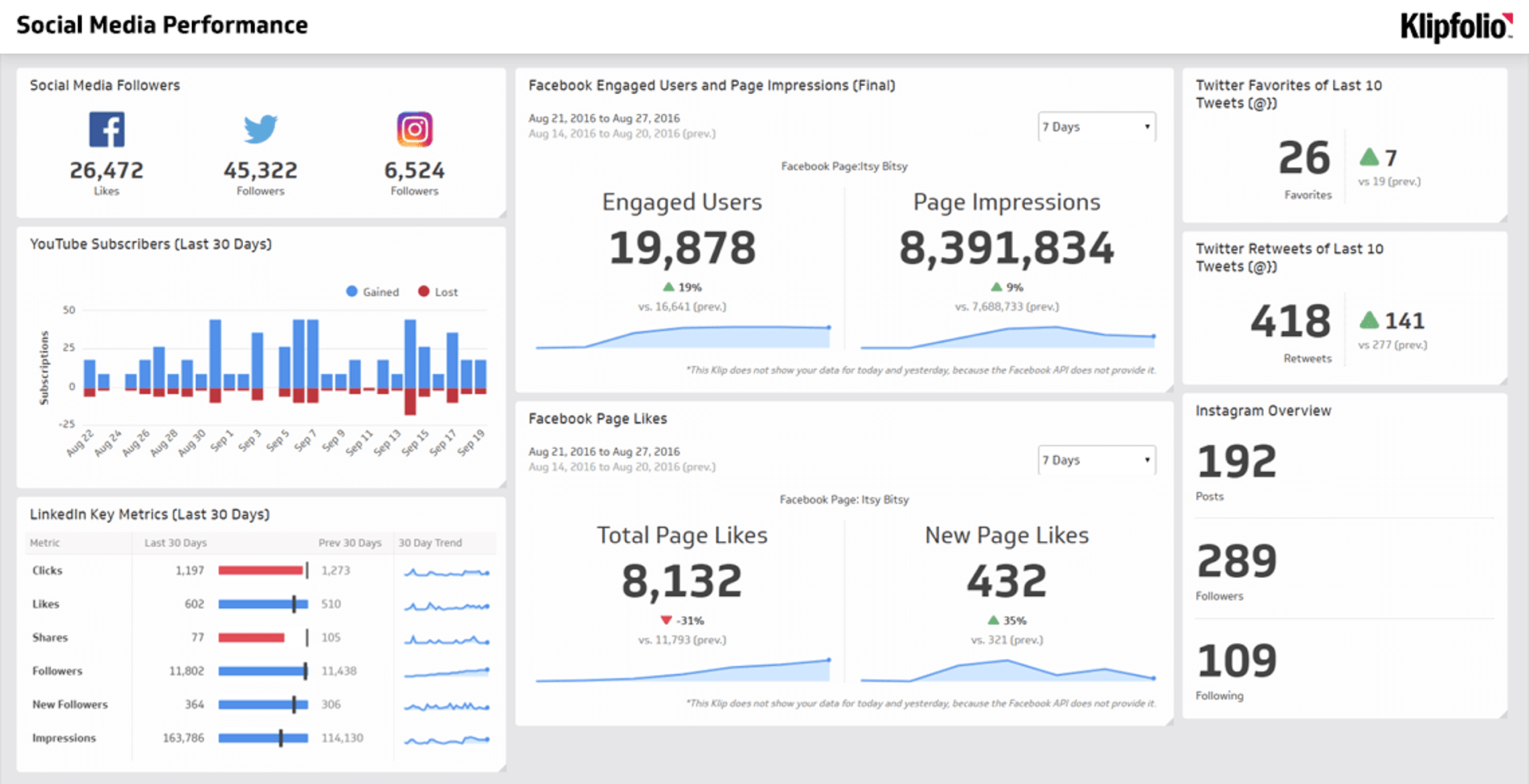
Post consistently during peak hours. Algorithms favor accounts that post regularly. Use analytics to identify when your specific audience is most active, then schedule content for those windows. Early engagement signals (within the first hour) significantly impact overall reach.
Leverage trending audio and topics. Jumping on relevant trends—with your unique spin—helps algorithms categorize and promote your content. Use trending sounds on Instagram Reels and TikTok, participate in viral challenges, and reference current events when appropriate.
Optimize metadata for machine learning. Algorithms now analyze on-screen text, captions, alt tags, hashtags, and even spoken words in videos. Include relevant keywords naturally throughout your content to help platforms understand context and match you with interested audiences.
5. Common Mistakes Killing Your Reach
Avoid these reach-killing errors that many creators unknowingly make:
Using engagement bait. Phrases like "Tag a friend to win!" or "Comment YES if you agree" might seem clever, but algorithms actively penalize obvious engagement manipulation. Focus on creating genuinely engaging content instead.
Over-posting or under-posting. There's a sweet spot for each platform. Over-posting can tank engagement rates and signal desperation. Under-posting makes algorithms forget about you. Find your optimal cadence through testing and analytics review.
Ignoring video formats. Static images increasingly underperform across all platforms. If you're not creating video content—especially short-form vertical video—you're fighting an uphill battle. Video drives higher engagement and receives algorithmic preference.
Posting external links. Platforms want to keep users on their site. Posts containing links to external websites (especially in captions) typically see reduced reach. Use link-in-bio strategies or native shopping features instead.
Creating generic AI content. While AI tools help with ideation, posting obviously AI-generated content without adding your unique voice, experience, or perspective results in poor engagement. Algorithms are increasingly sophisticated at detecting generic, soulless content.
6. Why Analytics Matter More Than Ever
You can't improve what you don't measure. Regularly reviewing your analytics reveals what's actually working versus what you think should work.
Pay attention to these key metrics: reach (how many unique users saw your content), engagement rate (percentage of viewers who interacted), saves and shares (high-value actions), and completion rate for videos. Compare performance across different content types, posting times, and topics to identify patterns.
Here's a crucial insight: Sometimes posts with high saves and shares still get lower reach than posts with fewer interactions. This counterintuitive reality suggests algorithms may be suppressing certain topics or content types regardless of engagement. When this happens, it's not necessarily your fault—you're at the mercy of platform priorities.
The solution? Build owned channels you control. Create an email list, build your own website, foster a community on your own terms. While social media remains valuable for discovery and engagement, never rely solely on platforms where you don't control the rules.
Frequently Asked Questions
Why did my reach suddenly drop on Instagram?
Sudden reach drops typically result from algorithm updates, changes in posting consistency, decreased engagement rates, or platform detection of content that violates guidelines. Instagram may also be testing new features or prioritizing different content formats (like Reels over static posts). Review your recent content performance and adjust your strategy accordingly.
Do hashtags still work in 2025?
Yes, but their role has evolved. On Instagram and TikTok, use 5-15 well-researched, relevant hashtags rather than the maximum allowed. Focus on niche tags with engaged communities rather than massive generic tags. LinkedIn has shifted toward keyword optimization in captions. Facebook hashtags remain largely ineffective. Location tags can boost discoverability across platforms.
Should I post the same content across all platforms?
No. Cross-posting identical content typically underperforms because each platform rewards different formats and behaviors. Instagram wants Reels, LinkedIn prefers thoughtful text posts, TikTok demands quick hooks, and Facebook favors native video. Repurpose your core message for each platform's unique culture and algorithm preferences for better results.
How often should I post to maximize reach?
Posting frequency varies by platform. TikTok rewards 1-4 daily posts. Instagram performs best with 3-5 Reels weekly plus daily Stories. LinkedIn sees optimal engagement with 3-5 posts per week. Facebook prefers quality over quantity—1-2 daily posts maximum. Most importantly, maintain consistency. Algorithms favor accounts that post regularly on predictable schedules.
Is it worth paying to boost posts?
Boosting can be effective for specific goals like event promotion or reaching cold audiences. However, focus first on optimizing organic content. If your organic posts perform poorly, boosting them will likely yield disappointing results. Test small budget boosts on your best-performing organic content, targeting highly specific audiences. Use platform advertising tools rather than simple post boosts for better control and results.
Share This Article
Found this guide helpful? Help other creators and marketers decode the algorithm mystery! Share this article with your network and let's beat the algorithm together.
Final Thoughts: Social media algorithms aren't your enemy—they're sophisticated systems designed to show users content they'll enjoy. While organic reach continues declining, understanding how algorithms work gives you a competitive advantage. Focus on creating genuinely valuable, platform-specific content that sparks meaningful engagement. Post consistently, analyze your performance data, and adapt your strategy based on what works. Most importantly, build owned channels like email lists and websites so you're never completely dependent on algorithmic favor. The creators and businesses thriving in 2025 aren't those fighting the algorithm—they're the ones who've learned to work with it strategically.


