When Social Media Becomes the Third Person in Your Relationship
When Social Media Becomes the Third Person in Your Relationship

In the digital age, relationships face an invisible intruder—one that doesn't knock on the door but sneaks in through notifications, likes, and endless scrolling. Social media has quietly become the third person in countless relationships, creating distance between partners who sit side by side yet feel worlds apart.
According to recent data from Worldmetrics, 20% of divorces in the United States are directly linked to social media conflicts, while 60% of couples report arguing over social media-related issues. These statistics reveal a troubling truth: the platforms designed to connect us are systematically disconnecting romantic partners from each other.
The Silent Erosion of Intimacy
Remember when dinner conversations flowed naturally, uninterrupted by buzzing phones and glowing screens? Those moments are becoming increasingly rare. Today's couples face a phenomenon therapists call "phubbing"—phone snubbing—where partners ignore each other in favor of their devices.
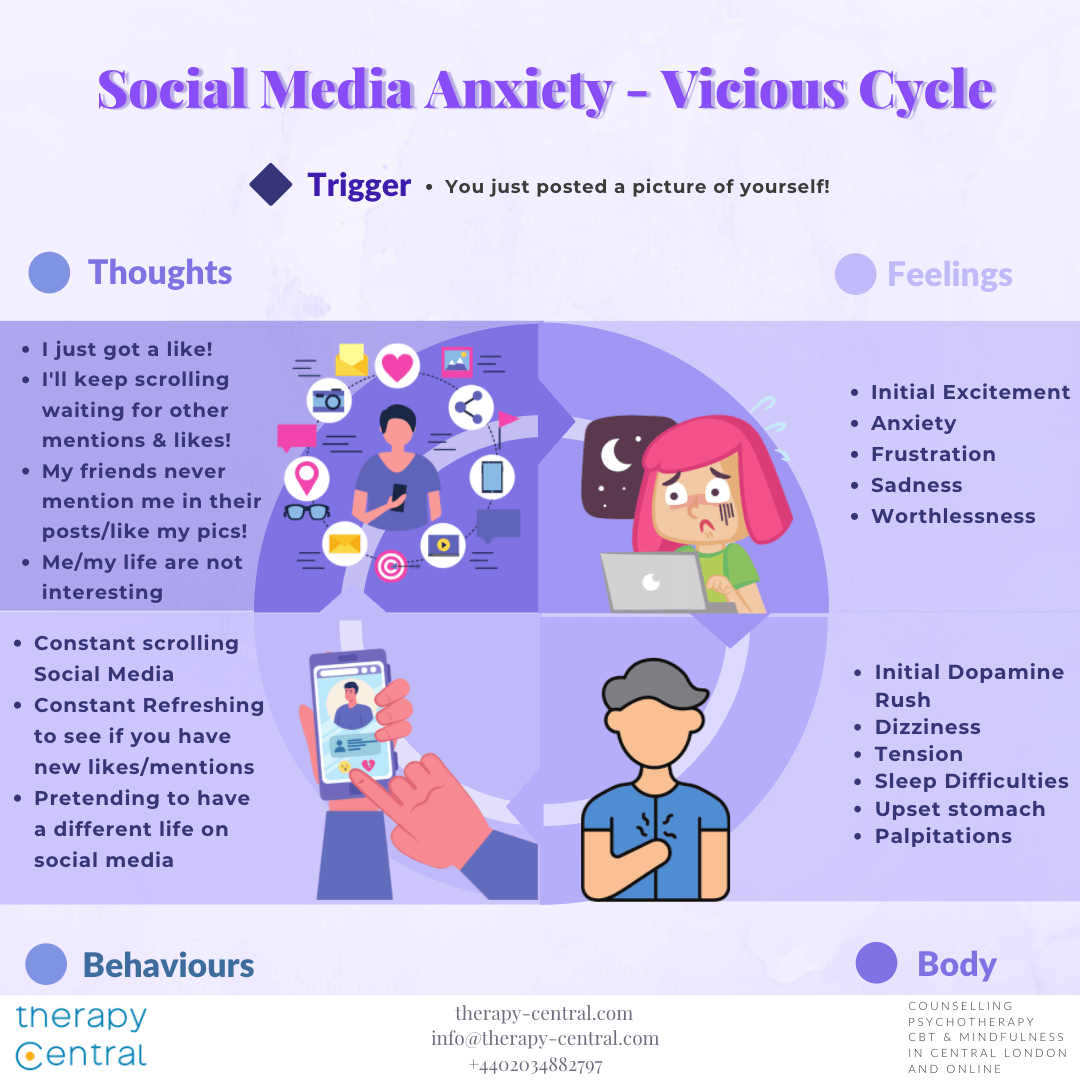
Research published in Cyberpsychology, Behavior, and Social Networking reveals that increased Instagram use correlates with more relationship conflicts, lower satisfaction, and higher emotional exhaustion. The constant digital engagement creates a barrier to genuine emotional connection, transforming what should be quality time into parallel screen time.
Digital Surveillance Masquerading as Love
Many modern couples engage in what researchers call "emotional monitoring"—constantly checking who their partner follows, what they like, and who views their stories. This isn't intimacy; it's surveillance dressed up as affection.
As noted in In-Mind Magazine, this behavior doesn't build trust—it systematically erodes it. When you're more focused on your partner's online activity than their actual presence, the relationship shifts from connection to control.
The Password-Sharing Paradox
Transparency has become synonymous with sharing passwords, phones, and locations. But there's a crucial difference between healthy openness and invasive monitoring. When constant access becomes an expectation rather than a choice, transparency transforms into a form of digital house arrest.
The Performance of Love vs. The Practice of Love

Social media has created a paradox in modern relationships: couples who post the most about their love often feel the least secure in it. A 2021 study found that people in insecure relationships tend to post more frequently about their partners—not out of celebration, but in search of external validation.
This creates what experts call "public intimacy"—where affection is performed for an audience rather than practiced in private. Couples curate their relationships for likes and comments while the real connection quietly deteriorates offline.
The Comparison Trap
Scrolling through perfectly filtered couple photos, exotic vacation snapshots, and romantic gesture videos creates unrealistic expectations. Your partner's simple "good morning" text feels inadequate compared to the grand gestures displayed on your feed.
But here's what social media won't show you: the arguments, the mundane moments, the financial stress behind that luxury vacation, or the relationship that ended shortly after posting "couple goals." You're comparing your unfiltered reality to someone else's highlight reel—and your relationship suffers for it.
Warning Signs Social Media Is Harming Your Relationship
- Decreased face-to-face communication: You text more than you talk, even when sitting together
- Emotional distance: Partners feel lonely despite physical proximity
- Constant comparisons: Frequently measuring your relationship against couples online
- Privacy conflicts: Arguments about what should or shouldn't be shared online
- Jealousy and monitoring: Checking your partner's online activity obsessively
- Neglected quality time: Dates interrupted by photo opportunities and social media updates
Reclaiming Your Relationship from Digital Intrusion

The good news? You can push social media out of the driver's seat and reclaim intimacy in your relationship. Here's how:
1. Establish Phone-Free Zones and Times
Designate specific times and spaces as phone-free: during meals, in the bedroom before sleep, or during dedicated date nights. These boundaries create sacred space for genuine connection.
2. Practice Present-Moment Awareness
When you're with your partner, be with your partner. Put the phone away, make eye contact, and engage in actual conversation. Presence is the foundation of intimacy.
3. Communicate About Social Media Boundaries
Have honest conversations about what feels comfortable regarding posting, tagging, and sharing relationship content online. Mutual respect for privacy strengthens trust.
4. Focus on Offline Experiences
Create memories that don't require documentation. Not everything needs to be photographed, posted, and validated by strangers online. Some moments are sacred precisely because they remain private.
5. Address Comparison Thoughts
When you catch yourself comparing, remind yourself that social media shows curated highlights, not complete realities. Focus on what makes your relationship unique and valuable.
The Path Forward: Balance, Not Banishment
The goal isn't to completely eliminate social media from your life—it's to prevent it from becoming the third person in your relationship. Technology should serve your connection, not sabotage it.
Real intimacy happens in the spaces between posts, in the conversations that don't get documented, in the quiet moments when you choose your partner over your screen. It's built through consistent presence, not digital performance.

Frequently Asked Questions
How much time on social media is too much for couples?
Research suggests that spending more than two hours daily on social media can negatively impact relationship satisfaction. However, it's not just about time—it's about how social media use affects your emotional connection and quality time together.
Should couples share social media passwords?
Password sharing should be a personal choice, not an obligation. Healthy relationships are built on trust, not surveillance. If password sharing feels coercive or is used to monitor rather than demonstrate openness, it may signal deeper trust issues.
Is it healthy to post about my relationship on social media?
Occasional sharing is fine, but research shows that excessive posting about your relationship—especially seeking validation through likes and comments—may indicate relationship insecurity. Post authentically when moved to share, not to prove something to others.
What is phubbing and why is it harmful?
Phubbing (phone + snubbing) occurs when you ignore your partner to focus on your phone. Studies show it significantly reduces relationship satisfaction and emotional closeness, making your partner feel unimportant and disconnected.
Choose Connection Over Clicks
In the battle between scrolling and intimacy, only you can decide which wins. Social media isn't inherently evil, but when it consistently comes between you and your partner, it's time to reassess priorities.
Your relationship deserves your full presence—not the leftovers after your digital obligations are met. Put down the phone, look into your partner's eyes, and remember why you chose them in the first place. Real love isn't about who sees your relationship online; it's about who experiences it with you offline.
💙 Found this article helpful? Share it with couples who might benefit from this perspective!
Use the share buttons below to spread awareness about healthy digital boundaries in relationships. Together, we can help more couples prioritize connection over screens.


